
مرگ تخیل یا شبیه سازی تخیل
گفتوگوی خبرگزاری ایسنا با مزدک پنجهای+ شنبه / ۲۹ دی ۱۴۰۳
مرگ تخیل یا شبیهسازی خلاقیت
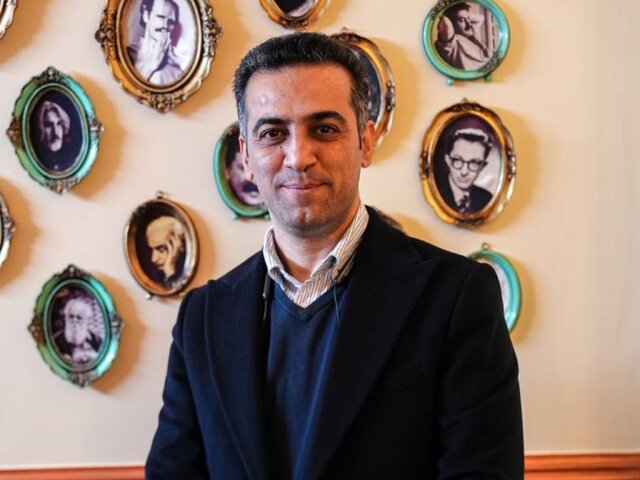
مزدک پنجهای معتقد است: در وضعیت «متاورس» مرز میان خیال و واقعیت محو میشود و آنچه پیشتر در ذهن وجود داشت، بهصورت عینی در دسترس قرار میگیرد و انسان نیازی ندارد تصاویر ذهنی خود را بهتدریج شکل دهد، این مسئله ممکن است موجب کاهش فعالیت ذهنی مرتبط با تخیل و در نهایت مرگ تدریجی آن شود.
به تازگی کتاب مزدک پنجهای با عنوان «ادبیات در وضعیت متاورس» که به بررسی تأثیرات فضای متاورس و فناوریهای دیجیتال بر ادبیات و شعر معاصر میپردازد، منتشر شد و این شاعر در گفتوگویی مکتوب با ایسنا، درباره این کتاب گفته است که مشروح آن در پی میآید:
در کتاب «ادبیات در وضعیت متاورس» که اخیراً به قلم شما منتشر شده است، پیرامون مرگ تخیل در یکی از فصلهای کتاب بحث کردید و در آنجا بیان کردهاید که به خاطر فضای عینی متاورس، ممکن است با مرگ تخیل مواجه شویم. چرا ممکن است تخیل شاعرانه در محیطی که تصاویر و فضاهایش از پیش طراحی شدهاند (مثل متاورس) زنده نماند؟
پاسخ این سوال ارتباط به بحث نحوه زیست تخیل در دنیای مجازی دارد. بر اساس نظریه تخیل که در کتاب ادبیات در وضعیت متاورس مطرح کردهام، در این فضا، مرز میان خیال و واقعیت محو میشود و آنچه پیشتر در ذهن وجود داشت، بهصورت عینی در دسترس قرار میگیرد. بنابراین افراد میتوانند در این جهان بدون محدودیتهای جسمی زندگی کنند؛ فرد نابینا میتواند ببیند، ناشنوا بشنود، و ناتوانِ جسمی، آزادانه حرکت کند. این امکانات بیبدیل، تخیل را از ذهن به دنیای عینی منتقل کرده و به آن بُعدی کاملاً جدید میبخشند. اما این عینیتیافتگی تخیل، چالشهایی را نیز به همراه دارد. وقتی تخیل بهواسطه فناوری بدل به واقعیت شود، آیا هنوز برای ذهن ِ انسان فضایی به منظور خیالپردازی باقی خواهد ماند؟ امانوئل کانت معتقد بود که تخیل از طریق ترکیب تجربیات پیشین با ایدههای نو، امکان عینیتبخشی به ایدهها را فراهم میآورد. اما در متاورس، بسیاری از این فرایندها بهطور خودکار انجام میشوند؛ انسان دیگر نیازی ندارد تصاویر ذهنی خود را بهتدریج شکل دهد، زیرا فناوری این وظیفه را برعهده گرفته است. این مسئله ممکن است موجب کاهش فعالیت ذهنی مرتبط با تخیل و در نهایت مرگ تدریجی آن شود.
آیا میتوان شعر را ابزاری برای مقابله با مرگ تخیل در عصر متاورس دانست؟
اینکه شعر یا دیگر هنرها بتوانند نجات دهنده تخیل در فضای تمامیت عینیت باشند، مشخص نیست. آنچه در حال حاضرمشخص است، ذهن در فرآیند زیستن در عینیت و ذهنیت، خلاقیتمند رفتار میکند. اما در جایی که تماماً عینیت است و ممکن است فرصت گفتگو را از انسان بگیرد و تماما مشاهده است، به نظر نمیتوان شاهد وقوع تخیل باشیم. وقتی همه چیز در وضعیت عینیت اتفاق میافتد و انسان با نسخههای شبیهسازیشده آرزوها و تصوراتش روبهرو میشود، ذهن ممکن است دیگر نیازی به خلق جهانهای جدید احساس نکند، زیرا فناوری این کار را از پیش انجام داده است.
آیا این «عینیت مطلق» که در متاورس تجربه میکنیم، واقعاً جای تخیل را میگیرد یا آن را در مسیری دیگر بازسازی میکند؟ نکته اینجاست که زبان، ریشه اصلی تخیل است، و زبان یکی از پدیدآورندگان ناب تجربیات ِ ذهنی و عینی شعر است. در متاورس، اگرچه تخیل از طریق فناوری شبیهسازی میشود، زبان همچنان میتواند به عنوان ابزاری برای شکستن این «واقعیت شبیهسازیشده» عمل کند. زبان میتواند تجربههایی را به چالش بکشد که حتی متاورس قادر به نمایش آنها نیست، زیرا همیشه لایههایی از معنا، احساس و ناخودآگاه وجود دارد که عینیت نمیتواند کاملاً تسخیر کند. برای مثال، شعر میتواند از محدودیتهای عینیت فراتر رود و تخیلی را بیدار کند که از مواجهه با خود متاورس برمیخیزد. در چنین حالتی، تخیل دیگر بهمعنای فرار از واقعیت یا خلق دنیایی دیگر نیست، بلکه بازاندیشی و بازآفرینی همان عینیت است. این شکل از تخیل میتواند مقاومتی در برابر یکسانسازی ذهنی باشد که متاورس بهواسطه عینیت کامل به انسان تحمیل میکند. بنابراین، اگرچه متاورس، تخیل را از طریق عینیت محدود میکند، زبان (و بهویژه شعر) میتواند شکافی در این ساختار ایجاد کند و فضایی برای تخیل جدیدی فراهم آورد تخیلی که شاید از برخورد میان انسان و فناوری متولد میشود. این تضاد میان عینیت مطلق متاورس و سیالیت زبان، به خودی خود بستری برای تخیل خواهد بود.
چگونه فقدان تجربههای حسی واقعی میتواند تخیل شاعرانه را تحتتأثیر قرار دهد؟
وقتی رابطه انسان با تجربههای حسیاش قطع شود و شکلی مصنوع به خود گیرد، این احتمال وجود دارد که شما در معرض تجربه قرار نگیرید. در واقع در فضایی که تماماً عینیت است، نقش تجربه انسانی را هوش مصنوعی برای شما فراهم خواهد کرد، هر آنچه که پیشتر توسط انسان تجربه شده، بهصورت الگوریتم بههوش مصنوعی منتقل شده است و او این انتقال تجربه را انجام میدهد. اما در این فرآیند یک اتفاقی که میافتد این است که حس ما با تجربیات زیستی ما رشد میکند و این فرآیند خود امر زیستن و تجربه کردن را به همراه دارد که سبب واکنشها و خلق موقعیتهایی میشود که در اشخاص مختلف است. بهنظرم هوش مصنوعی موقعیتهای مختلفی از تجربیات حسی را در خود ندارد. در واقع تجربیات هوش مصنوعی مربوط به آینده نیست، مربوط به گذشته و اکنون است، بنابراین با توجه به اینکه موضوع تجربه حسی، نقش مهمی در واکنش انسانی دارد، پس به تعداد تمام آدمها این اتفاقات درونی و حسی
میتواند متفاوت باشد و ما با یک ساختار کلی مواجه نیستیم. با این توصیف بر این عقیدهام که اگر انسان در موقعیت تکرار و کلیشهشدگی تجربه احساسات و انتقال آن قرار بگیرد، شاهد مرگ تخیل خواهیم بود. در واقع وقتی تجربههای حسی واقعی کمرنگ میشوند، ممکن است شاعر در خلق تصاویر و استعارههایی که از جزئیات زنده و ملموس زندگی سرچشمه میگیرند، دچار فقر تخیل شود. مثلاً مقایسههای شاعرانهای که از عطر خاک پس از باران، صدای خشخش برگها زیر پا یا حس گرمای آفتاب بر پوست نشئت میگیرند، ممکن است جای خود را به تصاویری یکنواخت و فاقد عمق بدهند، زیرا تجربههای حسی واقعی نمیتوانند به تخیل سوخترسانی کنند. در دنیایی که تجربیات عمدتاً به صورت شبیهسازیشده و دیجیتال ارائه میشوند، شاعر ممکن است به جای مواجهه با تجربههای اصیل و نامنتظره، صرفاً با نسخههایی از پیش طراحیشده و استاندارد شده از جهان مواجه شود. چنین نسخههایی، هرچند شاید در لحظه جذاب باشند، از تنوع و ناپایداری جهان واقعی بیبهرهاند. در نتیجه، تخیل شاعرانه ممکن است در تکرار کلیشهها و تصاویر ثابت گرفتار شود. تجربههای حسی واقعی اغلب با عواطف انسانی پیوند دارند؛ بوهای خاص خاطراتی را زنده میکنند، صدای یک آهنگ خاص احساسی را به اوج میرساند، و لمس دست کسی میتواند حس عشق یا آرامش را در وجود انسان برانگیزد. وقتی این تجربهها کاهش یابد یا جای خود را به احساسات سطحیترِ تجربههای دیجیتال بدهد، تخیل شاعرانه ممکن است از آن عمق عاطفی که اغلب شعر را ماندگار و تأثیرگذار میکند، تهی شود. البته، این فقدان ممکن است شاعر را وادار کند تا به جای تکیه بر تجربههای حسی مستقیم، به جستجوی مفاهیم انتزاعیتر و بازیهای زبانی بپردازد. شاعر ممکن است به جای توصیف جزئیات حسی، به کاوش در ایدههایی مانند ازخودبیگانگی، بیمکانی یا هویت در دنیای مجازی بپردازد. این میتواند شکلی جدید از تخیل شاعرانه ایجاد کند که از محدودیتها بهعنوان محرکی برای خلاقیت استفاده میکند. در واقع شاید ذهن بهدنبال جایگزین و مابهازا بگردد. در نهایت فکر میکنم شعر همواره توانایی بازآفرینی تجربههای حسی را از طریق زبان داشته است. حتی اگر جهان واقعی کمرنگ شود، زبان میتواند این خلأ را پر کند. شاعر ممکن است به جای تجربههای مستقیم، از تخیلات یا خاطرات برای بازسازی آنها بهره گیرد. در این صورت، تخیل شاعرانه بیش از پیش زبان بهعنوان ابزاری برای شبیهسازی و جایگزینی جهان واقعی وابسته خواهد شد.
تفاوت شعری که توسط انسان سروده میشود با شعری که توسط هوش مصنوعی خلق میشود
چه تفاوتهایی میان شعری که توسط انسان نوشته میشود و شعری که توسط هوش مصنوعی خلق میشود، وجود دارد؟
شعر انسان از تجربههای زیسته، احساسات، اسطورهها، فرهنگ زاد بومی، خاطرات و تعاملات عمیق او با جهان اطراف سرچشمه میگیرد. یک انسان ِ شاعر ممکن است بر اساس غم، شادی، عشق، یا حتی بحرانهای درونی و بیرونی، اشعار خود را خلق کند. این تجربیات لایههایی از اصالت و حس انسانی به شعر میبخشد که بهسختی قابل شبیهسازی است. شعر هوش مصنوعی از طریق الگوریتمهایی که بر مبنای دادههای زبانی آموزش دیدهاند، تولید میشود. این اشعار معمولاً بر اساس الگوهای موجود در شعرهای دیگر و بدون تجربههای واقعی، صرفاً بازآفرینی یا ترکیب عناصر هستند. بنابراین، خاستگاه تخیل در شعر هوش مصنوعی بهجای زیستن و حس کردن، بر دادهکاوی و پیشبینی مبتنی است. شعر انسانی اغلب حاوی لایههایی از عاطفه، معنا و پیچیدگیهای احساسی است که از درگیری مستقیم شاعر با زندگی ناشی میشود؛ نیز واژهها و تصاویر شاعرانه در شعر انسان نه تنها به زیبایی زبان بلکه به انتقال احساسات و مفاهیم عمیق کمک میکنند. شعر هوش مصنوعی میتواند ساختاری زیبا و از نظر فنی، شبیه شعر انسان انسجام فرمی و ساختاری داشته باشد، اما معمولاً از عمق عاطفی کمتری برخوردار است. بنابراین احساسات در این نوع شعر، بازتابی از دادههای موجود هستند و نه محصول تجربهی زیستن. این مسئله باعث میشود که بسیاری از اشعار هوش مصنوعی برای مخاطبان انسانی فاقد «روح» و «حس حضور انسانی» به نظر برسند. فرآیند خلق شعر در هوش مصنوعی به جای خلاقیت، نوعی «شبیهسازی خلاقیت» است. شعر انسانی معمولاً هدفی فراتر از تولید صرف زبان دارد. اما شعر هوش مصنوعی، هرچند ممکن است نوآوریهایی زبانی ارائه دهد، اما این نوآوریها معمولاً نتیجهی ترکیب مکانیکی دادهها هستند و نه واکنشی به تجربه یا احساس. همچنین، هوش مصنوعی معمولاً تمایل دارد بهجای ایجاد ساختارهای زبانی جدید، از الگوهای زبانی موجود پیروی کند. یکی از ویژگیهای بارز شعر انسانی، توانایی آن در غافلگیر کردن مخاطب است چه از طریق زبان، معنا، یا ارتباطی احساسی. شعر انسان میتواند مبهم باشد، چندلایه باشد، یا مفهومی کاملاً شخصی و ناشناخته را معرفی کند که مخاطب برای کشف آن تلاش کند. اما اشعار هوش مصنوعی معمولاً فاقد همان عنصر غافلگیری و رمزآلودی هستند. اگرچه ممکن است از نظر زبانی زیبا باشند، اما به ندرت حاوی چندلایگی یا عمق معنایی واقعی هستند.
تعریف «شاعر» و «شعر» در عصر هوش مصنوعی چیست؟ آیا شعر تولید شده توسط هوش مصنوعی میتواند بهاندازه شعری که توسط انسان نوشته شده، ارزش هنری داشته باشد؟ و اگر این شعرها قادر به تقلید احساسات و ساختارهای انسانی باشند، آیا باید جایگاه شاعر و شعر را مورد شک و تردید قرار داد؟ آیا خود فرایند تولید شعر (فارغ از اینکه توسط انسان یا ماشین انجام میشود) اهمیتی دارد؟
من به این چند سوال شما به طور کلی پاسخ خواهم داد، به نظر میرسد که با ظهور نسخههای پیشرفتهتر هوش مصنوعی در سالهای آتی، برای انسانِ شاعر، رقیبهای متکثری به وجود خواهد آمد که عنوان شاعر را از انسان خواهد گرفت و آن را به الگوریتمها تعمیم خواهد داد. بنابراین تعریفها نیز دستخوش تغییر خواهد شد. در پاسخ به سوالهای مطروحه اما گفت، اگر شعر قادر به برانگیختن اندیشه، احساس و تأثیر بر مخاطب باشد، ممکن است اصالت اثر بیشتر به تجربهای که ایجاد میکند بستگی داشته باشد تا به منشأ مولد آن. اگر بنا باشد بهخاطر ساختار مقلدگونه هوش مصنوعی که میتواند شعری بر مبنای کیفیت انسانی بسراید، معیار سنجش را از بُعد ساختارهای زیباییشناسی و ریتوریک شعر کنار بگذاریم، آنچه برای سنجش باقی میماند این است که آیا شعر توانسته موقعیتی ایجاد کند که ما را به تفکر وا دارد. در این فرآیند، به نظر میرسد دیگر مهم نیست که چه کسی شعر را گفته، بلکه تنها اینکه چه گفته شده است، اهمیت دارد. بنابراین مجدداً به بحثهای هایدگر و رویکرد او به زبان میتوان بازگشت. هایدگر بر این باور بود که زبان صرفاً ابزاری برای انتقال معنا یا وسیلهای برای ارتباط نیست، بلکه زبان همان چیزی است که هستی را آشکار میکند. او میگفت که زبان، خانهی وجود است و ما در آن زندگی میکنیم، نه اینکه فقط از آن استفاده میکنیم. با این نگاه، شعر شکلی اصیل از زبان است زیرا از عمیقترین لایههای وجود پرده برمیدارد و ما را به تأمل و اندیشیدن دربارهی هستی سوق میدهد. اگر شعر، چه از سوی انسان و چه از سوی هوش مصنوعی، قادر به ایجاد اندیشه و واداشتن مخاطب به تفسیر، تأمل یا پرسشی بنیادین در مورد هستی و جایگاه خود در جهان باشد، از منظر هایدگر، شاید بتوان گفت که آن شعر دارای ارزش است. اما این ارزش ذاتاً مستقل از خالق آن شعر نیست. در اینجا دو بحث مهم مطرح است: اگر شعری که توسط هوش مصنوعی خلق شده، در ذهن انسان پرسشهای بنیادین ایجاد کند یا به او امکان تجربهای تازه از هستی بدهد، میتوان گفت که آن شعر از منظر مخاطب دارای ارزشی والا است؛ زیرا توانسته زبان را به زعم هایدگر، نه بهعنوان ابزار، بلکه بهعنوان آفرینش معنا بهکار گیرد. اما اگر به خالق شعر نگاه کنیم، هوش مصنوعی فاقد زیستجهان (Lebenswelt) از منظر «هوسرلی» آن است. هوش مصنوعی بهعنوان ابزار، نه تجربهای از هستی دارد، نه آگاهی از مرگ، عشق یا زمان. شعرهایی که میسازد مبتنی بر الگوها، تقلیدها و بازترکیبهای زبان انسانی است، نه تجربه و تأمل در هستی. بنابراین، از منظر «اصالت»، شعری که هوش مصنوعی مینویسد نمیتواند همان عمق و حقیقتی را داشته باشد که از شعر انسانی بر میآید.
بنابراین نظر شما این است که دیگر نقش و جایگاه شاعر مهم نیست، بلکه بر مبنای تعریفی که هایدگر از زبان دارد، معتقد هستید شعر در عصر متاورس و هوش مصنوعی باید بتواند نقش تفکر داشته باشد؟
بله، دقیقا همین گونه است چرا که هوش مصنوعی به خوبی جای رفتارهای مهارتی انسان را خواهد گرفت، پس در بخش تفکر و اندیشه، هوش مصنوعی همیشه وامدار ذات انسانی خود و زبان اوست! به نظر این مسئلهای است که جایگاه انسان را به عنوان یک تولیدگر خلاق حفظ میکند و شأن میدهد.
Mazdak Panjei: The Death of Imagination or the Simulation of Creativity
Mazdak Panjei believes that in the state of "Metaverse," the boundary between imagination and reality fades, and what once existed in the mind becomes tangibly accessible. In such a scenario, humans no longer need to gradually shape their mental images. This could lead to reduced mental activity related to imagination and, ultimately, its gradual demise.
Recently, Mazdak Panjei’s book titled “Literature in the State of the Metaverse”, which examines the impacts of the Metaverse and digital technologies on contemporary literature and poetry, was published. In a written interview with ISNA, Panjei discussed his book. The full interview follows:
In your book, “Literature in the State of the Metaverse”, you discussed the "death of imagination" in one of the chapters, stating that the tangible nature of the Metaverse may lead to this phenomenon. Why might poetic imagination struggle to survive in an environment where images and spaces are pre-designed, like the Metaverse?
The answer lies in how imagination functions in the virtual world. According to the theory of imagination I outlined in the book, in this space, the boundary between imagination and reality dissolves, and what previously existed only in the mind becomes tangibly available. People can live in this world without physical limitations: a blind person can see, a deaf person can hear, and someone with physical disabilities can move freely. These unparalleled possibilities transfer imagination from the mind to the tangible world, adding an entirely new dimension to it.
However, this tangibility of imagination also brings challenges. When imagination transforms into reality through technology, will there still be room for the human mind to dream? Immanuel Kant believed that imagination allows for the materialization of ideas by combining past experiences with new concepts. Yet in the Metaverse, many of these processes are automated. Humans no longer need to gradually form mental images, as technology assumes this responsibility. This could potentially diminish mental activities associated with imagination and lead to its gradual extinction.
Can poetry be considered a tool to combat the death of imagination in the age of the Metaverse?
It’s uncertain whether poetry or other arts can preserve imagination in a world of absolute tangibility. What is evident is that the mind behaves creatively when living between tangibility and abstraction. However, in a space entirely dominated by tangibility, where opportunities for dialogue diminish and observation becomes paramount, it seems unlikely for imagination to flourish.
When everything occurs in a state of tangibility and individuals encounter simulated versions of their dreams and ideas, the mind may no longer feel the need to create new worlds because technology has already fulfilled that function.
Does this “absolute tangibility” we experience in the Metaverse replace imagination, or does it reconstruct it in a new way? The key lies in language, which is the root of imagination. Language remains a unique creator of both mental and tangible experiences, especially in poetry. While imagination may be simulated through technology in the Metaverse, language can still act as a tool to challenge this “simulated reality.”
Language can question experiences that even the Metaverse cannot fully display, as there are always layers of meaning, emotion, and the subconscious that tangibility cannot entirely capture. For instance, poetry can transcend the limitations of tangibility and awaken an imagination that emerges from encountering the Metaverse itself. In this case, imagination is no longer about escaping reality or creating an entirely new world; rather, it is about rethinking and reimagining the same tangible reality. This form of imagination could resist the homogenization of thought imposed by the Metaverse’s complete tangibility.
Thus, while the Metaverse limits imagination through tangibility, language (particularly poetry) can create a gap in this structure, allowing space for a new kind of imagination to emerge—an imagination born from the collision between humans and technology. This contrast between the Metaverse’s absolute tangibility and the fluidity of language itself creates a fertile ground for imagination.
How could the absence of real sensory experiences affect poetic imagination?
When humans’ connection to real sensory experiences is severed and replaced by artificial ones, there’s a risk that people will no longer encounter authentic experiences. In a world entirely dominated by tangibility, artificial intelligence may provide the role of sensory experiences. It reproduces all past human experiences in algorithmic form and facilitates their transfer.
However, this process comes with a caveat: our senses evolve through lived experiences. This process of living and experiencing generates reactions and creates unique situations in each individual. I believe artificial intelligence does not encompass the diversity of these sensory experiences. AI’s experiences are not rooted in the future but rather in the past and present.
Since sensory experiences play a vital role in human reactions, they vary as much as people themselves. Without such unique inner and sensory experiences, we face a generalized structure. In my opinion, if humans are placed in repetitive and clichéd sensory experiences, we will witness the death of imagination.
When real sensory experiences fade, poets may struggle to create images and metaphors rooted in the vivid, tangible details of life. For example, poetic comparisons drawn from the scent of earth after rain, the crunch of leaves underfoot, or the warmth of sunlight on the skin might give way to flat, shallow imagery due to a lack of real sensory input. In a world where experiences are primarily simulated and digital, poets may encounter pre-designed, standardized versions of reality rather than unexpected, authentic experiences. Such versions, while initially appealing, lack the richness and unpredictability of the real world. Consequently, poetic imagination may become trapped in repetitive clichés and fixed imagery.
Real sensory experiences are often tied to human emotions: specific scents evoke memories, the sound of a particular song heightens emotions, and the touch of a loved one’s hand can evoke feelings of love or comfort. When these experiences diminish or are replaced by more superficial, digital sensations, poetic imagination may lose the emotional depth that makes poetry impactful and enduring.
On the other hand, this loss might push poets to explore more abstract concepts or linguistic play. Instead of relying on direct sensory experiences, poets could delve into themes like alienation, placelessness, or identity in the digital age. This could foster a new form of poetic imagination that uses limitations as a source of creative tension. In the end, poetry has always had the capacity to recreate sensory experiences through language. Even if the real world fades, language can fill the void. Poets might rely on memories or imagination to reconstruct those experiences, making poetic imagination increasingly dependent on language as a tool for simulating and replacing the real world.
The Difference Between Poems Written by Humans and Those Created by Artificial Intelligence
What distinguishes poems written by humans from those created by AI?
Human poetry emerges from lived experiences, emotions, myths, native cultures, memories, and deep engagement with the world. A human poet may write based on sorrow, joy, love, or even inner and external crises. These experiences imbue poetry with layers of authenticity and human emotion that are difficult to replicate.
AI poetry, on the other hand, is produced through algorithms trained on linguistic data. These poems are typically generated by analyzing existing patterns in poetry and lack real experiences. As such, the origin of imagination in AI poetry is rooted in data mining and prediction rather than living and feeling. Human poetry often carries layers of emotion, meaning, and emotional complexity arising from the poet’s direct engagement with life. Poetic words and images in human poetry not only contribute to linguistic beauty but also convey profound emotions and concepts.
AI poetry may have structural beauty and technical consistency comparable to human poetry. However, it usually lacks the emotional depth of human poems. Emotions in AI poetry are reflections of existing data rather than the product of lived experiences. As a result, AI-generated poems often feel devoid of the “soul” and “human presence” that resonate with readers.
While AI can mimic creativity, the process of creating poetry in AI is more a “simulation of creativity” than actual creativity. Human poetry, by contrast, often aims to transcend mere linguistic production and serves as a means of expressing deeper truths.
One of the key characteristics of human poetry is its ability to surprise readers—through language, meaning, or emotional connection. Human poetry can be ambiguous, multi-layered, or deeply personal, inviting readers to explore its meanings. AI poems, however, rarely exhibit the same element of surprise or mystery. Although they may be linguistically beautiful, they seldom achieve the multi-dimensionality or true emotional depth of human poetry.
Defining “Poet” and “Poetry” in the Age of Artificial Intelligence
How should we define the “poet” and “poetry” in the era of AI? Can poetry created by AI hold the same artistic value as human poetry? If such poetry can imitate human emotions and structures, should we question the role of poets and poetry? And does the process of creating poetry (whether by human or machine) matter?
In general, with the emergence of advanced AI systems, poets may face significant competition, with algorithms potentially taking over the title of poet. This shift would inevitably redefine these concepts. However, if poetry can provoke thought, emotion, and impact the audience, its authenticity might depend more on the experience it creates than on its creator.
If we set aside aesthetic and rhetorical criteria and focus solely on poetry’s ability to inspire thought, it seems the origin of the poem becomes secondary. The primary concern is what the poem conveys. In this regard, we can revisit Heidegger’s views on language. Heidegger believed language is not merely a tool for communication or conveying meaning but rather the medium through which existence is revealed. He referred to language as the “house of being,” emphasizing that we dwell within it, rather than simply using it.
From this perspective, poetry is a genuine form of language because it unveils the deepest layers of existence, prompting us to reflect on and engage with being. If poetry—whether written by humans or AI—can provoke such reflection and compel the audience to explore the essence of existence, it achieves its purpose. However, the human element remains irreplaceable, as the poet's unique emotions, worldview, and lived experiences shape the linguistic structures of their poems, lending them emotional depth and authenticity.
In this sense, poetry can be considered a human endeavor, regardless of how much technology contributes to its production. Yet it is also crucial to explore the ways technology can supplement human creativity rather than replace it entirely. Through collaboration between human poets and AI, new poetic forms and styles might emerge, expanding the boundaries of poetry in the digital age.